
Tornado Roof Damage Repair Cost in OKC (2026): What Homeowners Should Expect
May 28, 2026
- By
- Priority Restoration OKC
- Storm Damage Restoration Specialist
Need a clear checklist before you commit to major roof repairs? At Priority Restoration OKC, we’ve been helping homeowners understand Tornado Roof Damage Repair Cost in OKC (2026) for years of experience in storm recovery. This guide is for Midwest City, OK property owners who want real numbers, code requirements, and a step-by-step plan before signing a contract. We’ve seen what happens when storm damage is underestimated. In one Midwest City, OK neighborhood, a homeowner ignored lifted shingles after a spring tornado and ended up with soaked decking and interior ceiling damage weeks later. What could have been a targeted repair turned into structural work. If you’re unsure where to start, review our storm damage restoration process and use this playbook to avoid costly surprises.
What inspectors and insurers expect in 2026
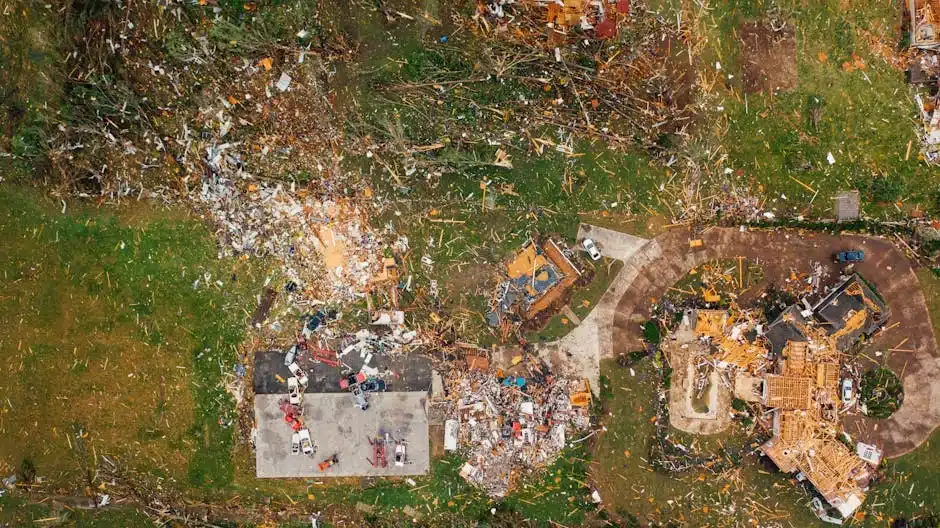
Midwest City, OK sits in one of the highest wind-risk corridors in the country. Tornadoes, hail, and severe thunderstorms drive strict enforcement of wind design and roof fastening requirements. Inspectors look closely at re-roof permits, nailing patterns, and underlayment details because improper installation directly affects wind uplift resistance and insurance eligibility.
- Midwest City Code of Ordinances – Building and Construction (verify current adopted edition with the Building Department) – Requires permits for roof replacement and substantial repair. Inspections verify compliance with adopted building codes. Consequences of non-compliance include failed inspections, stop-work orders, and complications with insurance claims.
- Oklahoma Uniform Building Code Commission (OUBCC) Adopted Codes (current edition) – Establishes the statewide adopted International Residential Code (IRC) edition used by local jurisdictions. Roof assemblies must meet wind load design and fastening schedules. Ignoring these standards can void warranties and result in structural failure under high winds.
- 2021 International Residential Code (IRC) – Section R905 (Roof Coverings) – Commonly adopted by Oklahoma jurisdictions. Specifies underlayment, fastening, and material standards for asphalt shingles and other coverings. Incorrect nailing patterns or missing underlayment can lead to inspection failure and reduced wind resistance.
What drives Tornado Roof Damage Repair Cost in OKC (2026)
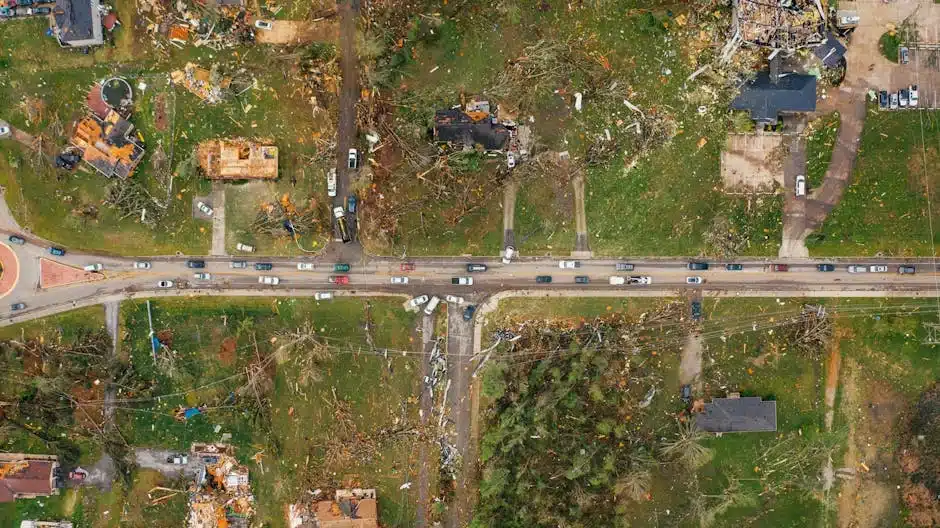
Tornado roof repair costs vary widely because storm damage is rarely uniform. In our experience, minor shingle and flashing repairs may range from $500 to $2,500. Partial roof replacements after moderate tornado damage might fall between $4,000 and $9,000. Full tear-offs and replacements on average-sized homes in Midwest City, OK often range from $8,000 to $18,000 or more, depending on materials and structural repairs. Three primary variables influence price:
- Site complexity: Steep pitches (8/12 or greater), multiple valleys, and limited access increase labor time and safety requirements.
- Material costs: Architectural shingles, synthetic underlayment, and Class 4 impact-rated systems cost more than basic 3-tab shingles but offer stronger wind resistance.
- Total scope: Decking replacement, insulation repair, and interior ceiling damage add to overall restoration cost.
Schedule a Professional Roof Evaluation
If your home experienced recent tornado activity or high winds, the next step is a thorough inspection and clear scope of work. We document damage, review code requirements, and help you understand repair versus replacement options before you commit. Our team works directly with homeowners in Midwest City, OK to provide detailed assessments, moisture readings, photo documentation, and realistic timelines. Instead of guessing at costs or relying on temporary patches, you’ll have a written plan aligned with local building codes and manufacturer standards. Book a professional evaluation and get clarity on your roof’s condition, projected repair costs, and the best path forward to protect your property.
FAQs
How do I know if my roof has tornado damage in Midwest City, OK?
Start with a visual inspection from the ground. Look for missing shingles, exposed underlayment, bent flashing, or debris impact marks. Inside the home, check for ceiling stains, attic moisture, or daylight visible through decking. In Midwest City, OK, high winds can break the adhesive seal strip on asphalt shingles without tearing them off, which makes damage harder to spot. We recommend a professional inspection after any confirmed tornado or severe wind event, even if leaks are not visible. Our team uses moisture meters, attic inspections, and close-up photo documentation to identify lifted tabs, nail pops, and compromised decking. Early detection prevents secondary water intrusion, mold growth, and insulation damage. If your neighbors are filing claims after a storm, it is a strong signal that your roof may also have sustained wind-related stress that warrants inspection.
Will my homeowners insurance cover tornado roof damage?
Most standard homeowners insurance policies cover sudden and accidental wind damage, including tornado-related roof loss. Coverage typically applies to shingles, underlayment, and related structural components, minus your deductible. However, insurers often require clear documentation that the damage was storm-related rather than long-term wear and tear. That’s why photo documentation, inspection reports, and proper code-compliant repair scopes matter. We’ve seen claims reduced when contractors failed to document creased shingles or decking damage properly. Insurance carriers may also factor in roof age and prior repairs when determining payout. Before filing, review your deductible, coverage limits, and whether your policy includes replacement cost value (RCV) or actual cash value (ACV). Proper inspection and documentation significantly improve claim clarity and reduce disputes.
What is the average Tornado Roof Damage Repair Cost in OKC (2026)?
The Tornado Roof Damage Repair Cost in OKC (2026) may range from a few hundred dollars for isolated shingle replacement to well over $15,000 for full structural restoration. Minor repairs typically start around $500 to $2,500. Partial replacements might fall between $4,000 and $9,000. Full tear-off and replacement projects often range from $8,000 to $18,000 or more depending on conditions. Three key variables affect cost:
- Site complexity and roof pitch
- Material costs and shingle type
- Total scope, including decking and interior repairs
Can I repair tornado roof damage myself?
Small cosmetic repairs, such as replacing a single blown-off shingle on a low-slope roof, may be manageable for experienced homeowners with proper safety equipment. However, tornado damage often involves more than visible shingle loss. Wind uplift can loosen fasteners, fracture seal strips, and compromise flashing or decking beneath the surface. Climbing onto a steep roof without fall protection creates significant safety risk. Improper nailing patterns or incorrect shingle alignment can also void manufacturer warranties. We’ve corrected DIY repairs where reused nails and missing starter strips led to repeat leaks during the next storm. If damage is limited and you are trained in roof safety and installation standards, minor fixes may be possible. For widespread wind damage, structural concerns, or insurance claims, professional evaluation is the safer and more reliable choice.
What are the warning signs that tornado damage is getting worse?
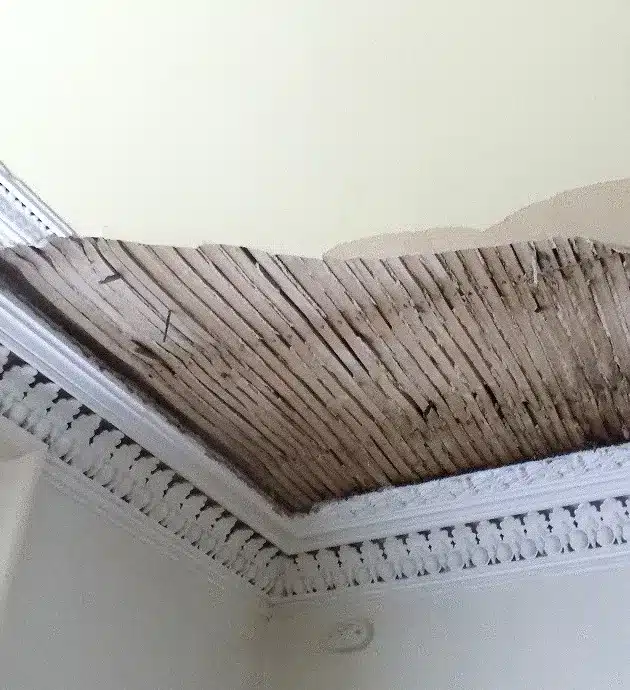
Warning signs often appear weeks after the storm. Watch for ceiling discoloration, peeling paint near rooflines, attic insulation that feels damp, or musty odors. Outside, look for curling shingles, granule loss in gutters, and lifted ridge caps. In Midwest City, OK, repeated high-wind events can worsen previously weakened shingles. Once the adhesive strip fails, each subsequent storm increases uplift risk. Small gaps allow wind-driven rain to penetrate beneath the shingle layer and soak decking. Check your attic after heavy rain using a flashlight. Darkened wood, rusted nail tips, or mold spotting indicate moisture intrusion. Addressing these issues early prevents structural rot and insulation damage. Regular inspections after major storms are one of the most cost-effective maintenance steps a homeowner can take.
What roofing problems are most common after tornadoes in Midwest City, OK?
In Midwest City, OK, the most common tornado-related issues include shingle blow-offs, creased architectural tabs, bent or detached metal flashing, and punctures from airborne debris. We also frequently see ridge vent damage and displaced gutter systems. Another common issue is compromised decking where fasteners have pulled through OSB panels. This weakens the roof’s structural integrity even if shingles remain partially intact. Hail often accompanies tornado-producing storms, which can bruise shingles and shorten their lifespan. Older roofs with minimal attic ventilation are particularly vulnerable because heat buildup accelerates shingle aging. After a tornado, combining wind and impact damage increases the likelihood of insurance claims and full roof replacement recommendations.
What should I look for when hiring a tornado roof repair contractor?
Look for a contractor who understands Oklahoma’s adopted building codes and local permit requirements. Confirm they carry general liability insurance and workers’ compensation coverage. Ask whether they follow manufacturer installation guidelines for shingles and underlayment. Request a written scope of work that details tear-off procedures, decking inspection, underlayment type, flashing replacement, ventilation adjustments, and cleanup. A reputable contractor will document damage with photos and explain why certain components require replacement. Avoid companies that demand full payment upfront or cannot provide references from recent Midwest City, OK projects. Clear communication, documented inspections, and code compliance protect you from future disputes and repeat repairs.
What should I do immediately after a tornado if my roof looks damaged?
After ensuring everyone’s safety, perform a ground-level visual inspection. Do not climb onto the roof. Photograph visible damage such as missing shingles, debris impact, or exposed decking. If water is entering the home, use containers to catch drips and move valuables away from affected areas. Temporary tarping may be necessary to prevent further intrusion, but it should be installed safely and secured properly. Contact your insurance carrier to notify them of potential storm damage. Even if leaks are not obvious, schedule a professional inspection within days of the event. Wind damage can worsen quickly with subsequent rain. Early evaluation helps prevent secondary structural issues and keeps repair costs from escalating.