
How to File a Water Damage Insurance Claim in OKC: Step-by-Step Guide
April 24, 2026
- By
- Priority Restoration OKC
- Restoration and Insurance Claim Specialists
Water stains spreading across the ceiling. Warped hardwood floors buckling overnight. A musty smell creeping through the hallway. At Priority Restoration OKC, we’ve been helping property owners navigate water damage insurance claims for years of experience, and we’ve seen how fast a small leak can turn into a major financial setback. In Oklahoma City, OK, one broken supply line in an upstairs bathroom recently soaked two levels before the homeowner even realized what happened. Waiting too long or filing incorrectly can reduce your payout or even trigger a denial. We’ve seen property owners throw away damaged materials before documenting them or miss key policy deadlines. If you’re dealing with water damage, start by understanding the cleanup process outlined in our water damage restoration guide before contacting your carrier.
What Professional-Grade Documentation and Mitigation Should Include
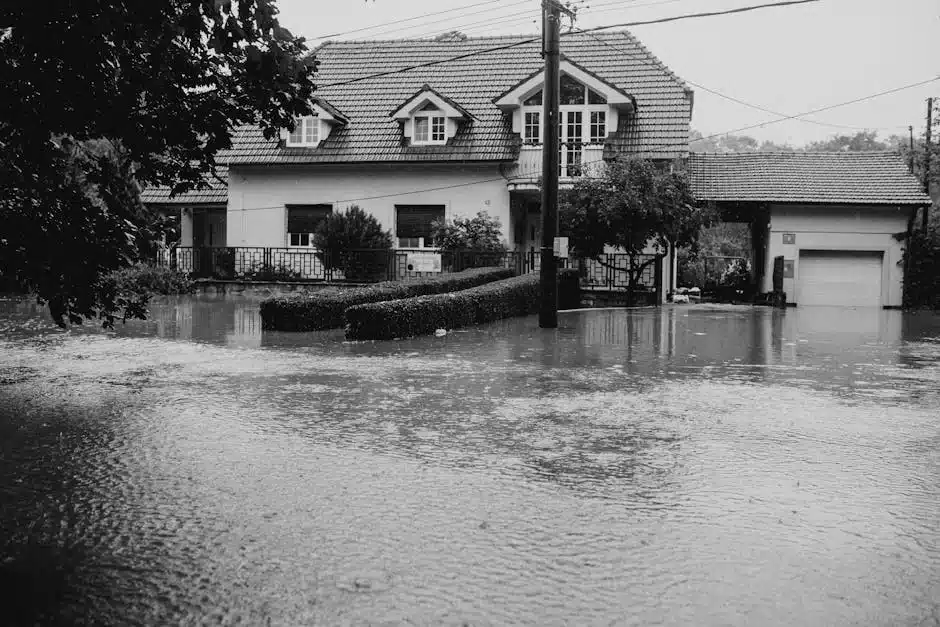
Strong documentation and compliant mitigation practices protect your financial recovery. Carriers look for organized, time-stamped records and proof that you mitigated further damage promptly. Following professional standards reduces disputes and delays. High-quality service and documentation should include:
- Detailed moisture maps showing affected areas and daily drying progress.
- Photographs before demolition, during mitigation, and after drying goals are met.
- Psychrometric readings (temperature, relative humidity, grains per pound) logged with calibrated hygrometers.
- Equipment logs for air movers, LGR dehumidifiers, and HEPA air scrubbers.
- A written scope of work aligned with IICRC S500 guidelines.
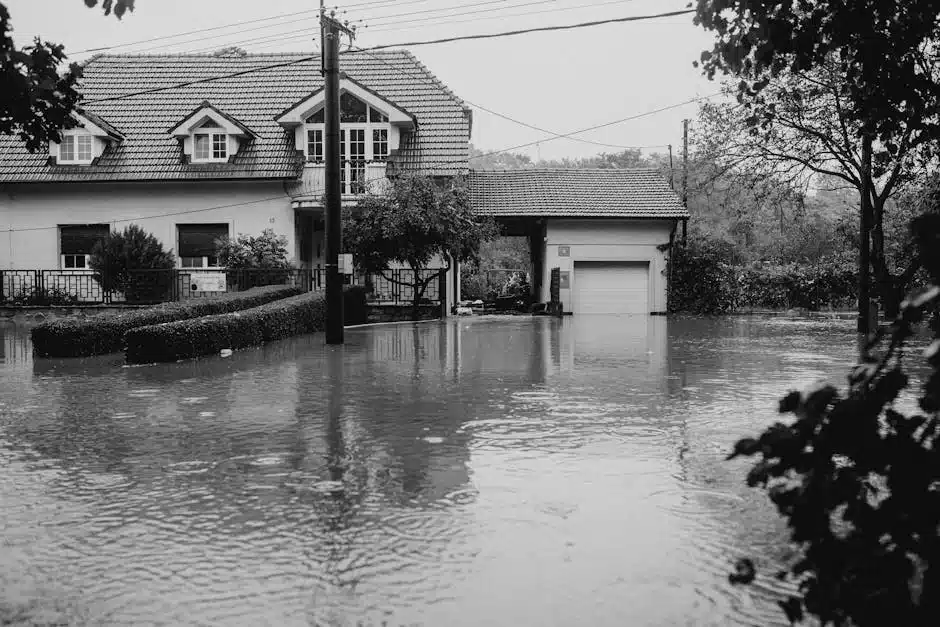
Maintenance, Timelines, and What Delays Can Cost
Filing correctly is only part of the equation. Preventing repeat losses protects your insurability and helps avoid premium increases. Many policies in Oklahoma City, OK limit coverage for repeated or neglected issues. We recommend a maintenance schedule:
- Inspect supply lines and appliance hoses every 6 months; replace rubber hoses with braided stainless steel.
- Flush and inspect water heaters annually; most manufacturers suggest replacement around 8 – 12 years.
- Check attic and roof penetrations after major storms.
- Install smart leak detectors near water heaters and under sinks.
Schedule a Professional Water Damage Assessment
If you’re facing water damage and unsure how to proceed with your insurance paperwork, we can help you document the loss correctly from the start. Our team provides detailed moisture readings, photo documentation, and a clear scope of work that aligns with industry standards and carrier expectations. We focus on protecting your property and your financial recovery at the same time. Schedule an on-site assessment so we can evaluate the damage, explain the next steps, and help you move forward with confidence.
FAQs
What is the first thing I should do before filing a water damage insurance claim in Oklahoma City?
Stop the source of water immediately if it’s safe to do so. Shut off the main water valve for plumbing leaks or turn off the appliance involved. Then document everything before removing damaged materials. Take wide-angle and close-up photos, capture video, and note the date and time you discovered the issue. In Oklahoma City, OK, sudden pipe bursts during winter freezes are common, and insurers often ask when temperatures dropped and when heat was last maintained. Contact your carrier promptly to report the loss and ask about their documentation requirements. Avoid making permanent repairs until the adjuster has inspected, unless delaying would cause further damage.
How long do I have to file a water damage insurance claim?
Most policies require “prompt notice,” which means you should notify your insurer as soon as reasonably possible after discovering the damage. In Oklahoma, insurers are regulated by the Oklahoma Insurance Department, and timelines for acknowledgment and investigation are defined by state regulations. Waiting weeks to report damage can raise questions about whether the issue was sudden or ongoing. Even if you’re unsure whether the loss is covered, report it and let the carrier make that determination. Keep a record of all communications, including dates, claim numbers, and adjuster contact information, to protect your rights throughout the process.
How much does water damage restoration typically cost in Oklahoma City, OK?
Water damage restoration in Oklahoma City, OK may start around $1,500 for minor, localized drying and can exceed $20,000 for extensive structural repairs. Pricing might fluctuate based on site complexity, material costs, and total scope of affected areas. For example, drying hardwood floors and wall cavities with specialty equipment typically costs more than treating a small utility room. Timeline also affects cost, as extended drying or mold remediation adds labor and equipment days. Most projects take 3 – 5 days for mitigation, with reconstruction extending several weeks. These figures are preliminary benchmarks for informational purposes only and do not constitute a binding quote. An on-site evaluation is required for a final proposal.
Can I handle water damage cleanup myself before filing a claim?
Small spills on non-porous surfaces can often be cleaned and dried without professional help. However, once water affects drywall, insulation, flooring, or structural framing, professional mitigation becomes important. Hidden moisture behind walls can lead to microbial growth within 24 – 72 hours. Insurance carriers also expect proof that proper drying methods were used. Using household fans without dehumidification rarely achieves the necessary moisture reduction. If you plan to file a claim, professional documentation – moisture readings, drying logs, and photographs – can significantly strengthen your position. For anything beyond a minor surface issue, scheduling an inspection is usually the safer financial decision.
What signs suggest my water damage might not be covered?
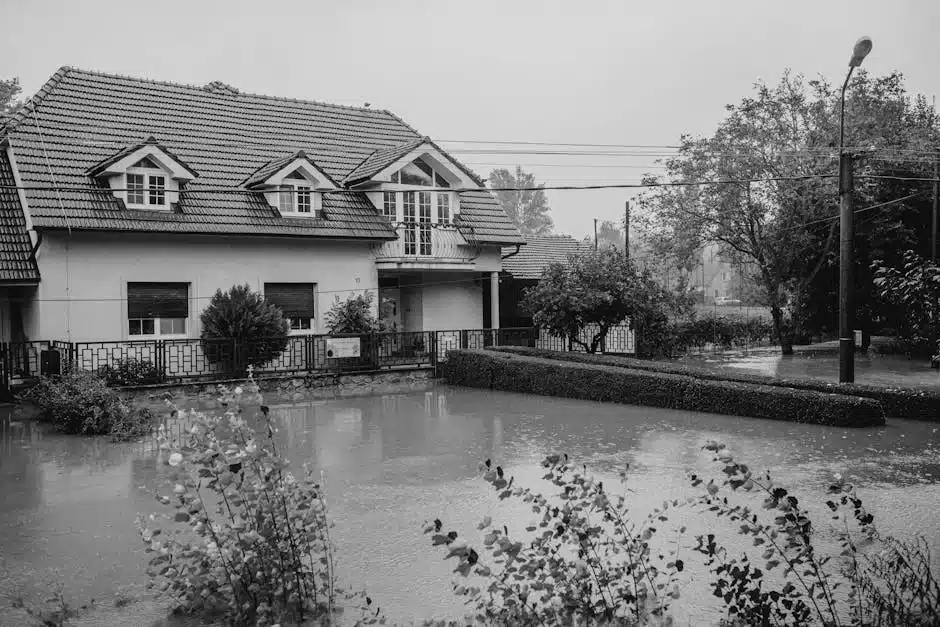
Policies often exclude long-term seepage, neglect, or maintenance-related issues. Stains that appear gradually, recurring dampness in the same area, or visible corrosion on old plumbing may indicate a long-standing problem. In Oklahoma City, OK, slab leaks sometimes go undetected for months, leading to flooring damage that insurers may classify as ongoing. If the damage results from flooding caused by surface water, standard homeowners policies usually exclude it unless you carry separate flood insurance. Review your policy’s exclusions section carefully. When in doubt, document the condition thoroughly and consult your carrier before making assumptions about coverage.
Are there common water damage issues specific to Oklahoma City, OK?
Yes. Oklahoma City, OK experiences freeze events that can burst exposed or poorly insulated pipes. Severe thunderstorms and wind-driven rain may force water through roof penetrations or flashing failures. Slab-on-grade construction is also common, which can make plumbing leaks harder to detect until flooring begins to warp. Rapid temperature swings increase the risk of condensation in attics and crawl spaces. Because these conditions are regionally common, insurers may scrutinize maintenance history, especially for roofs and plumbing systems. Routine inspections and documented upkeep can make a significant difference if you ever need to file a claim.
What should I look for when hiring a water damage restoration company?
Look for a company that follows IICRC standards, particularly ANSI/IICRC S500 for water damage restoration. Technicians should hold current IICRC certifications and use professional-grade equipment such as LGR dehumidifiers, air movers, and moisture meters. Confirm the company carries general liability and workers’ compensation insurance. Detailed written scopes, moisture maps, and daily logs indicate organized project management. Be cautious if a contractor promises a specific insurance payout amount or suggests inflating damages. Transparent pricing, clear documentation, and compliance with industry standards are signs you’re working with a reputable team.
What should I do if the damage seems minor and not urgent?
Even minor-looking water damage deserves prompt evaluation. Surface dryness does not guarantee that subflooring, insulation, or framing is dry. Use fans and ventilation temporarily, but monitor for musty odors, discoloration, or warping over the next 48 – 72 hours. If moisture persists or spreads, schedule a professional assessment. Delayed action can convert a small drying project into a mold remediation issue, which increases both cost and complexity. While this is not typically a life-safety emergency, timely documentation and mitigation protect both your property and any future insurance reimbursement.