
Fire Damage Restoration Cost in Midwest City (2026): What Homeowners Should Expect
May 28, 2026
- By
- Priority Restoration OKC
- Fire Damage Restoration Specialists
The morning after a house fire, many homeowners in Midwest City, OK walk through the damage and ask the same question: how bad is this going to cost? At Priority Restoration OKC, we’ve been helping families understand fire damage restoration cost in Midwest City (2026) for years of experience, and we’ve noticed that the visible damage is often only half the story. Smoke odor in the HVAC system, hidden attic charring, and water saturation from firefighting efforts can dramatically change the final price. One homeowner in Midwest City, OK once delayed professional cleanup because the fire seemed “contained to one room.” Weeks later, corrosion from acidic soot damaged wiring and cabinetry throughout the home. Ignoring early mitigation often increases both structural repair and water damage restoration costs. Understanding what drives restoration pricing helps you avoid paying twice for the same problem.
Permits, inspections, and adopted state codes in 2026
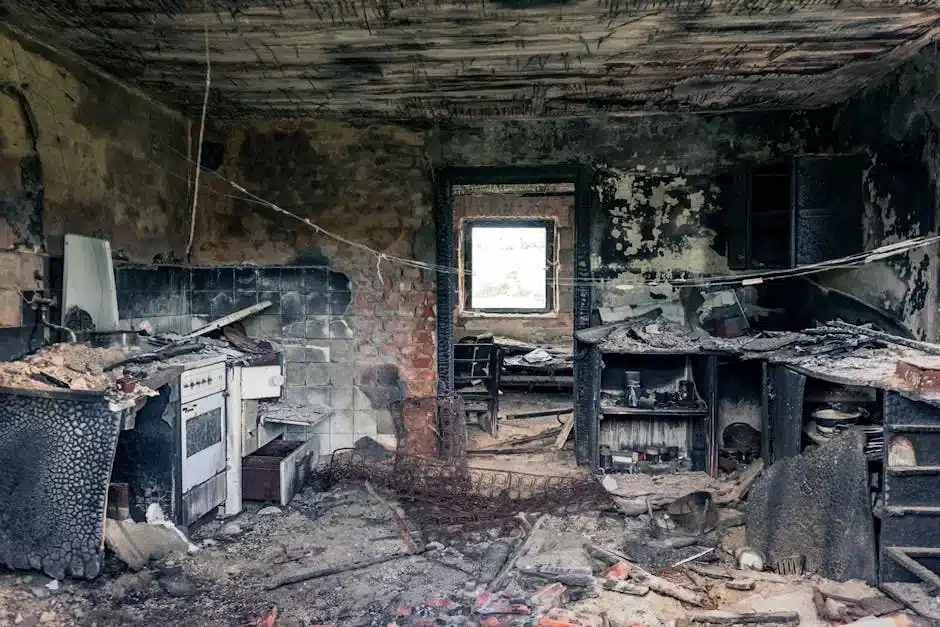
Fire restoration in Midwest City, OK is not just cleanup – it often involves structural rebuilding, electrical replacement, and mechanical repairs that must pass inspection. Tornado risk, high wind loads, and seasonal humidity all influence how repairs are approved and priced. Local inspectors enforce adopted state codes, and failing to comply can delay occupancy or void insurance coverage.
- Oklahoma Uniform Building Code Commission Adopted Codes (currently 2018 IBC/IRC editions as adopted by the State of Oklahoma) – Establishes structural repair standards for framing, fire-resistance ratings, and wind load design. Non-compliance can result in failed inspections and required demolition of nonconforming work. Verify the current adopted code edition with the local building department.
- Oklahoma Energy Conservation Code (as adopted by OUBCC) – Requires insulation and air sealing upgrades when significant wall or roof assemblies are replaced. Fire-damaged exterior walls often trigger mandatory R-value compliance, increasing material scope and cost.
- Midwest City, OK Building Permits and Inspections Requirements – Mandates permits for structural, electrical, plumbing, and mechanical work. Unpermitted repairs can lead to fines and complications during property resale.
- NFPA 101 Life Safety Code (as adopted by local authority) – Governs fire-resistance assemblies and safe egress restoration. Improper reconstruction may create life-safety hazards and insurance disputes.
- Documented moisture mapping and soot classification.
- HEPA air scrubbing and negative air containment.
- Selective demolition following structural engineering review when needed.
- Code-compliant rebuilding with inspection scheduling.
How timelines, materials, and scope influence total cost
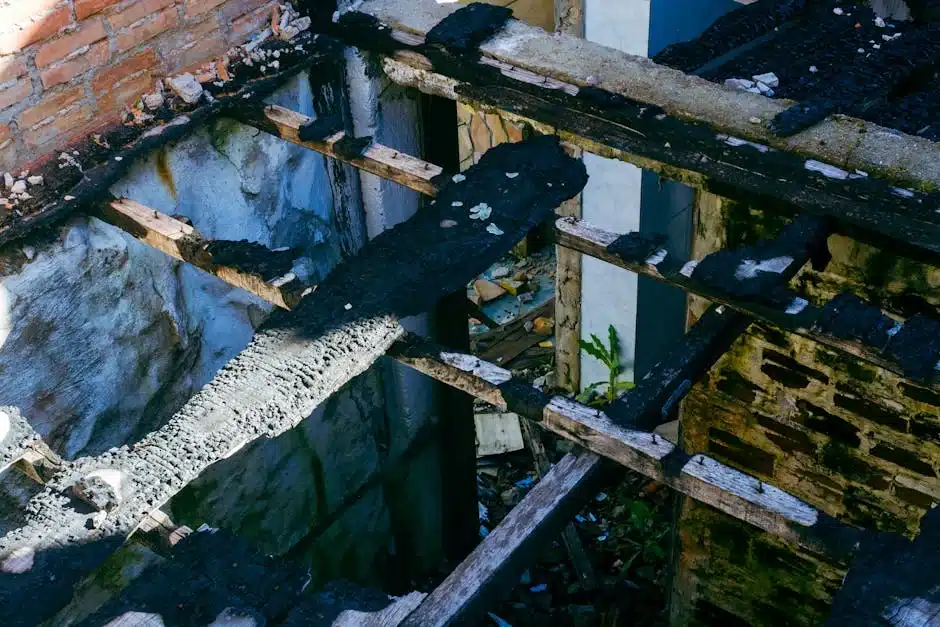
Fire damage restoration cost in Midwest City (2026) typically varies based on severity. Minor smoke remediation in a single room may start around $3,000 – $8,000. Moderate structural and smoke damage might range from $15,000 – $40,000. Major structural rebuilds after extensive fire loss can exceed $75,000 depending on square footage and reconstruction requirements. Most full-home projects take several weeks to a few months, especially when permits and specialty trades are involved. Three primary factors influence final pricing:
- Site complexity – Multi-story homes or attic fire spread increase labor and containment requirements.
- Material costs – Lumber, drywall, insulation, cabinetry, and HVAC components fluctuate.
- Total scope – The extent of demolition, deodorization, structural repair, and code upgrades.
- Annual HVAC inspection and duct cleaning after any smoke event.
- Installing interconnected smoke alarms per NFPA guidance.
- Using Class A fire-rated materials during reconstruction.
Schedule a Detailed Fire Damage Assessment
Fire damage rarely tells the full story at first glance. Hidden moisture, smoke contamination, and code-triggered upgrades can significantly affect your budget and timeline. Our team evaluates structural integrity, indoor air quality, and permit requirements before recommending a clear, step-by-step restoration plan. We provide thorough documentation for insurance carriers and coordinate directly with local inspectors in Midwest City, OK to keep your project moving forward. If you’re unsure how extensive the damage is or what it may cost to restore your property safely, the next step is a comprehensive on-site inspection. Early assessment often prevents secondary damage and unnecessary expense. Let’s review your property, answer your questions, and outline realistic expectations for restoration and rebuilding.
FAQs
What is the average Fire Damage Restoration Cost in Midwest City (2026)?
The average fire damage restoration cost in Midwest City (2026) depends heavily on severity and square footage. For minor smoke cleanup in a contained area, costs may start around a few thousand dollars. Moderate damage involving drywall removal, insulation replacement, and deodorization can climb into the tens of thousands. Full structural reconstruction after a major fire often exceeds that range. In Midwest City, OK, permit requirements and energy code upgrades can increase expenses if walls, roofing, or electrical systems must be brought up to current standards. Insurance coverage, deductible amounts, and policy limits also influence out-of-pocket costs. The only accurate way to determine pricing is through a detailed on-site evaluation that measures moisture levels, soot type, and structural integrity before rebuilding begins.
Does insurance usually cover fire damage restoration?
Most standard homeowners insurance policies cover fire damage restoration, including structural repairs, smoke remediation, and water damage from firefighting efforts. Coverage typically applies when the fire is accidental and not caused by excluded events such as intentional damage. We recommend reviewing your policy’s dwelling coverage limits, personal property coverage, and additional living expenses (ALE) provisions. ALE can help cover temporary housing if your home is uninhabitable. Keep in mind that insurers require documentation. Detailed photos, inventory lists, and professional moisture and soot reports strengthen your claim. In Midwest City, OK, inspectors may require code upgrades during reconstruction. Some policies include ordinance or law coverage that pays for required code improvements. Without that endorsement, homeowners might pay those upgrades out of pocket. Reviewing your policy with your agent before restoration begins helps prevent surprises.
How long does fire damage restoration usually take?
Fire damage restoration timelines vary based on severity. Minor smoke cleanup may take several days to a week. Moderate projects involving demolition, drying, and reconstruction may take several weeks. Major structural rebuilds can extend several months, especially when engineering reviews and permit approvals are required. The timeline often depends on three factors:
- Site complexity – Structural instability or attic fire spread slows demolition and framing.
- Material costs and availability – Specialty cabinets or custom finishes may delay rebuilding.
- Total scope – The extent of smoke remediation, HVAC replacement, and code compliance work.
Can I clean up fire damage myself to save money?
Light surface soot on non-porous materials may be cleaned carefully using proper PPE and approved cleaning agents. However, most fire damage extends beyond what is visible. Smoke particles embed into porous drywall, insulation, and HVAC systems. Without HEPA filtration and negative air containment, cleaning can spread contamination throughout the home. DIY cleanup often misses acidic soot residue that corrodes metal and stains surfaces over time. Improper deodorization – such as masking odors instead of using thermal fogging or hydroxyl generators – can lead to recurring smells. Structural repairs, electrical replacements, and code compliance work also require permits and inspections in Midwest City, OK. Professional restoration ensures moisture content is reduced to safe levels, structural framing is evaluated, and fire-resistance assemblies are rebuilt correctly. Attempting large-scale restoration without proper equipment can increase long-term repair costs.
What warning signs show hidden fire or smoke damage?
Persistent smoke odor after cleaning is a common warning sign. If odor intensifies when the HVAC runs, soot contamination may be present in ductwork or insulation. Discoloration bleeding through new paint often indicates improperly sealed smoke residue. Other indicators include warped baseboards from firefighting water, rust forming on metal fixtures, and powdery black residue in attic spaces. We also look for elevated moisture readings above 15% in wood framing, which signal trapped water that can lead to mold growth. In Midwest City, OK, attic ventilation systems can pull smoke into areas far from the original fire source. A professional inspection with thermal imaging and moisture mapping helps identify concealed damage before reconstruction begins. Addressing these signs early reduces both structural deterioration and indoor air quality risks.
Are there common fire-related issues specific to Midwest City, OK?
Homes in Midwest City, OK often face wind-driven attic ventilation patterns that spread smoke quickly through roof cavities. Seasonal storms can also damage roofing shortly after a fire, exposing compromised structures to rain intrusion. Many properties include attached garages, where vehicle or storage fires can push heavy soot into shared attic spaces. If fire-damaged roof decking is not replaced promptly, high winds common in the region can worsen structural instability. Additionally, older homes may contain outdated wiring systems that require full replacement after heat exposure to meet current state-adopted electrical codes. These regional factors influence both restoration scope and total cost. Early structural evaluation and roof inspection are particularly important in this area.
What should I look for when hiring a fire restoration contractor?
Start by verifying that the contractor follows IICRC standards for fire and smoke damage restoration. Certification indicates training in soot classification, deodorization methods, and structural drying. Confirm that the company carries general liability insurance and workers’ compensation coverage. Ask whether they coordinate building permits and inspections in Midwest City, OK. Contractors performing structural, electrical, or mechanical repairs should comply with state-adopted building codes. Request a detailed written scope of work outlining demolition limits, cleaning methods, drying targets, and reconstruction plans. Transparent documentation protects you during insurance review. Finally, choose a team that provides moisture readings, air quality documentation, and progress updates. Clear communication and technical reporting prevent disputes and reduce the risk of incomplete restoration.
What should I do immediately after a house fire?
Ensure everyone is safe and do not re-enter the property until the fire department confirms it is secure. If utilities are still active, shut off electricity and gas at the main service panels if it is safe to do so. Delaying professional mitigation increases the risk of secondary damage. Water used to extinguish the fire can saturate framing and insulation, leading to mold growth within 24 – 48 hours. Acidic soot residue can corrode wiring and HVAC components quickly. Structural elements weakened by heat may also pose collapse hazards. Contact a qualified restoration team promptly to begin stabilization, board-up, and moisture control. Emergency dispatch or after-hours fees may apply for immediate response. Rapid action reduces structural deterioration, limits indoor air contamination, and helps preserve documentation required for insurance claims.