
Burst Pipe Repair Cost in OKC (2026 Guide): What Homeowners Should Expect
June 23, 2026
- By
- Priority Restoration OKC
- Restoration and Water Damage Specialists
Need a clear checklist for handling a burst pipe and understanding the real repair costs in 2026? At Priority Restoration OKC, we’ve helped homeowners navigate burst pipe emergencies in Oklahoma City, OK for years of experience, and we’ve seen the same questions come up every winter. This guide walks you through what affects pricing, what steps matter most, and how to avoid paying for preventable damage. If you’re already dealing with water damage, start with our water damage restoration in Oklahoma City overview. Ignoring a burst pipe for even a few hours can double or triple your total loss. We’ve seen a small half-inch copper line split during a freeze and flood a hallway, turning a $700 plumbing fix into a $12,000 structural drying and rebuild project in Oklahoma City, OK. Fast action controls cost. Delays increase structural damage, mold growth, and insurance complications.
What Professional Burst Pipe Repair Should Always Include
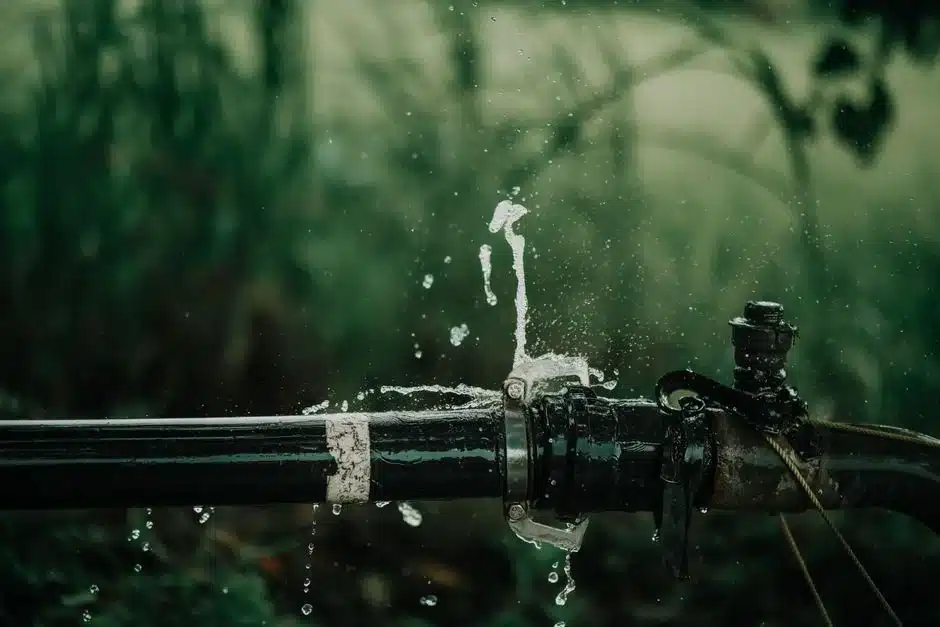
The most important best practices focus on containment, code compliance, and verified drying. A proper repair is not just replacing pipe – it’s restoring the property to pre-loss condition while meeting plumbing and building standards. Cutting corners often leads to repeat leaks or hidden moisture. Professional burst pipe repair in Oklahoma City, OK should include:
- Compliance with the International Plumbing Code (IPC). The City of Oklahoma City enforces versions of the IPC, which require proper pipe support, approved fittings, and pressure testing before closing walls.
- Pressure testing and leak verification. After repairs, we pressurize the system and monitor for pressure drop to confirm integrity.
- Moisture mapping. Using pin and pinless moisture meters, thermal imaging cameras, and hygrometers to confirm affected materials are fully dry.
- Removal of unsalvageable materials. Saturated drywall below the flood line is typically removed at least 12 inches above visible water intrusion.
- Antimicrobial treatment when appropriate. Applied according to manufacturer label instructions – not overused, but targeted where organic materials were wet for extended periods.
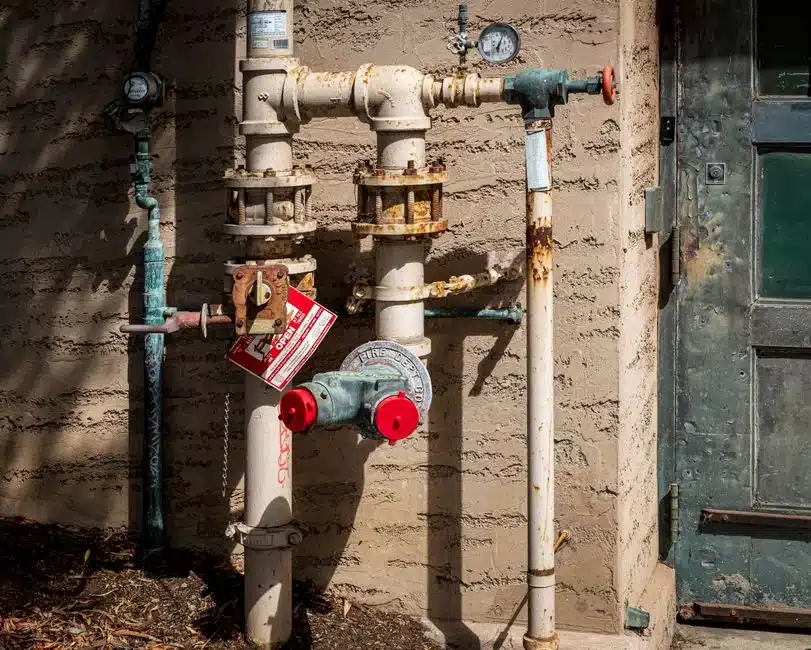
Understanding Repair Ranges and Next Steps
Burst pipe repair costs in Oklahoma City, OK vary widely because the plumbing fix is often the smallest part of the total bill. Access, drying, and reconstruction frequently drive the final number. Typical 2026 ranges we see:
- Minor exposed pipe repair: may range from $300 to $900 if access is straightforward and no significant drying is required.
- Wall or ceiling access with drying: typically falls between $1,500 and $5,000 depending on affected square footage.
- Extensive structural drying and rebuild: can range from $7,000 to $20,000 or more when flooring, cabinetry, and insulation are involved.
- Site complexity: slab-on-grade homes, tight crawlspaces, or second-story leaks increase labor time.
- Material costs: copper prices fluctuate, and specialty fittings or drywall finishes add expense.
- Total scope: the longer water sits, the more demolition, drying days, and reconstruction are required.
Schedule a Professional Evaluation Before Costs Climb
If you’re dealing with a burst pipe – or want a realistic estimate before making insurance decisions – our team can assess the damage, identify hidden moisture, and outline a clear scope of work. We use professional-grade drying equipment, documented moisture readings, and code-compliant plumbing repairs to protect your home and your budget. Water damage escalates quickly in Oklahoma City, OK due to freeze events and seasonal storms. A prompt evaluation helps prevent mold growth, structural deterioration, and repeat plumbing failures. We’ll walk you through repair options, timeline expectations, and how different materials and access challenges affect cost. Book a professional evaluation and get clarity before small damage turns into a major rebuild.
FAQs
How much does burst pipe repair typically cost in Oklahoma City, OK?
In Oklahoma City, OK, a simple exposed pipe repair might cost a few hundred dollars, while a more involved repair with drywall removal and structural drying can reach several thousand. The plumbing repair itself – such as replacing a cracked copper or PEX section – may be relatively affordable. The larger expense often comes from water extraction, dehumidification, insulation replacement, and finish repairs. Homes with slab foundations or finished basements can see higher costs because accessing the damaged pipe requires additional demolition. Insurance may cover sudden and accidental water damage, but coverage depends on policy language and maintenance history. In our experience, calling for professional drying within the first 24 hours significantly reduces total repair costs and shortens the restoration timeline.
Will homeowners insurance cover a burst pipe?
Most standard homeowners policies cover sudden and accidental water damage from a burst pipe, including resulting damage to walls, flooring, and personal property. However, insurance typically does not cover long-term neglect or gradual leaks. If an adjuster determines the pipe had been leaking slowly for weeks, coverage may be limited or denied. Carriers often require documentation showing prompt mitigation efforts. That’s why immediate water extraction, moisture readings, and photo documentation are critical. Policies may also exclude damage caused by freezing if the home was left unheated without proper precautions. Reviewing your specific policy language and deductible structure helps set realistic expectations before filing a claim.
How long does burst pipe repair and drying take?
The timeline depends on how quickly the issue is addressed and how far water has spread. A straightforward pipe replacement with minimal water intrusion might be completed in a single day. Structural drying, however, typically takes 3 – 5 days using commercial dehumidifiers and air movers. Reconstruction, such as drywall finishing and painting, could add 1 – 3 weeks. Costs may range from a few hundred dollars for minor repairs to well over $10,000 for extensive damage. Pricing fluctuates based on site complexity, material costs, and total scope of affected areas. Homes with engineered wood flooring or custom cabinetry may require longer drying and specialty repairs. These figures are preliminary benchmarks for informational purposes only and do not constitute a binding quote. An on-site evaluation is required for a final proposal.
Can I repair a burst pipe myself?
A temporary fix may be possible if the pipe is fully exposed and you have access to the correct tools. For example, a push-to-connect coupling rated for potable water can stop an active leak in an emergency. However, permanent repairs often require soldering copper joints, properly crimping PEX with calibrated tools, or solvent-welding CPVC according to manufacturer cure times. The larger concern is hidden moisture. Even if you stop the leak, water may have migrated into insulation, subflooring, or wall cavities. Without moisture meters and proper drying equipment, trapped water can lead to mold growth and structural decay. For small, visible drips, DIY might work temporarily. For anything involving walls, ceilings, or flooring, professional assessment protects both safety and long-term costs.
What are the warning signs that a pipe may be about to burst?
Common warning signs include reduced water pressure, banging or knocking sounds in pipes (water hammer), visible corrosion on copper lines, and frost buildup on exposed pipes during cold weather. In Oklahoma City, OK, rapid temperature drops can freeze poorly insulated lines in attics and crawlspaces. Discoloration on walls or ceilings, musty odors, or unexplained increases in your water bill may indicate a hidden leak. Insulating vulnerable pipes with foam sleeves and sealing air gaps near exterior walls reduces freeze risk. During extreme cold, allowing a small drip from faucets connected to exterior walls can relieve pressure and lower the chance of a rupture. Routine inspections before winter are one of the most cost-effective preventive steps.
Why are burst pipes common in Oklahoma City, OK?
Oklahoma City, OK experiences rapid weather shifts, including sudden hard freezes after mild temperatures. When water inside pipes freezes, it expands and increases internal pressure. That pressure – often exceeding the pipe’s rated tolerance – causes splits at weak points such as joints or elbows. Many homes have plumbing routed through unconditioned attics or crawlspaces, where insulation may be insufficient. Slab-on-grade construction can also complicate detection, as leaks under the slab may go unnoticed until flooring shows damage. Older neighborhoods with aging galvanized steel or thin-wall copper are particularly vulnerable. Preventive insulation, proper attic ventilation, and maintaining indoor heat during cold snaps significantly reduce the likelihood of burst pipes.
What should I look for when hiring a burst pipe repair contractor?
Look for a contractor who understands both plumbing repair and water damage restoration. Proper licensing, general liability insurance, and workers’ compensation coverage are essential. Ask whether they follow IICRC drying standards and local plumbing code requirements enforced in Oklahoma City, OK. A qualified contractor should provide a written scope of work, moisture documentation, and a clear explanation of drying equipment placement. They should also coordinate with insurance adjusters when needed. Be cautious if someone offers to simply patch the pipe without evaluating surrounding materials for hidden moisture. Comprehensive service prevents recurring issues and protects your home’s structural integrity.
What should I do immediately if a pipe bursts in my home?
Shut off the main water supply immediately. If water is near outlets or electrical panels, turn off power to the affected area as long as it is safe to do so. Delaying action allows water to saturate drywall, insulation, and framing. Within 24 – 48 hours, elevated moisture levels can support mold growth and weaken structural components. Standing water can also damage subfloors and create slip hazards. After stopping the water, document the damage with photos and contact a professional restoration team to begin extraction and drying. Emergency dispatch or after-hours fees may apply for immediate response. Acting quickly, however, often reduces the overall cost and shortens the restoration timeline.